Skip to content

Cosmetics

Skincare and colour, made under your label.

Creams, serums, cleansers, lip and face colour — formulated, filled and finished as your product. You brief it, approve it and own it. We stay invisible.

What we make

Formats we already run.

We manage production end to end through vetted, licensed partner units — you get one point of contact, one quality standard and one invoice.

Face creams & moisturisers
Day, night, gel and emulsion bases.
Serums
Active-led formats where the claim does the selling.
Cleansers & face wash
Foaming, gel and cream systems.
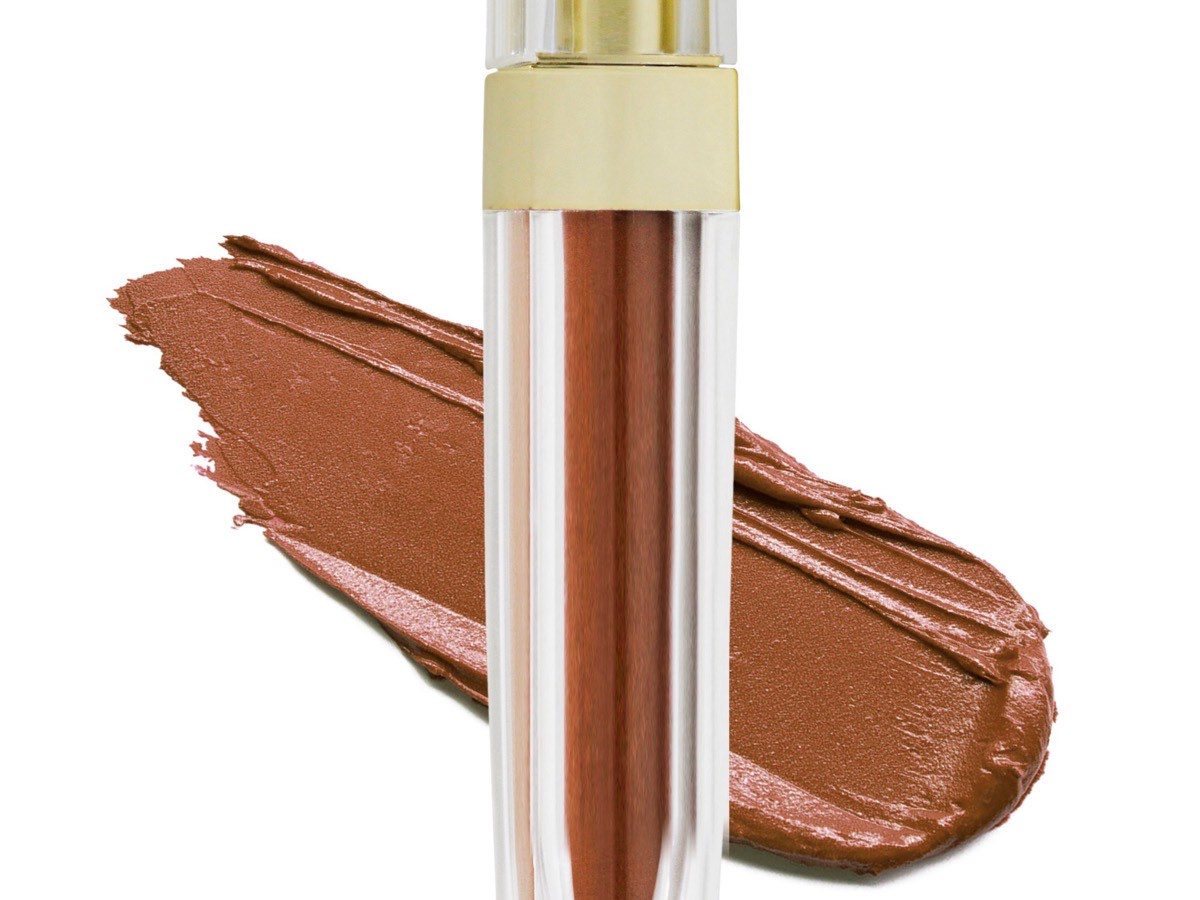
Lip colour & balms
Bullet, liquid and tinted care.
Body care
Lotions, butters, scrubs and washes.
Hair care
Shampoo, conditioner, masks and oils.
Unbranded white cosmetic jars with gold lids arranged on linen

What to know first

The things that decide your cost.

Most of what goes wrong on a first production run was decided before anyone poured anything. These are the choices worth understanding before you brief us — whoever you end up making it with.

01

The claim on the front decides the work behind it

"Brightening", "anti-ageing" and "clinically tested" are not interchangeable with "hydrating". The stronger the claim, the more you need behind it — a specific active at a specific percentage, stability data, and in some cases testing you have to pay for. Deciding what you are willing to claim, early, is what keeps a formulation brief from being rewritten three times. A modest claim you can stand behind sells better than a bold one you have to quietly drop.

02

Preservative systems are not where to economise

Anything containing water can grow microbes, and a cosmetic that spoils on a customer's shelf is the fastest way to end a new brand. The preservative system is unglamorous, invisible on the label to most buyers, and the single component least worth trimming. It also constrains your formula: "preservative-free" and "water-based" are close to incompatible, whatever the marketing on competing products implies.

03

Packaging compatibility is a real failure mode

A formula that is stable in a jar can separate, discolour or eat the lining in a tube or an airless pump. Actives in particular are sensitive to light and air, which is why serums are usually in dark glass with a dropper rather than a clear jar. Choosing the container and the formula together avoids discovering the problem after you have bought packaging in bulk.

04

Where the licence sits

Cosmetics manufactured in India are licensed under the Cosmetics Rules, 2020, and the licence is issued by the State Licensing Authority rather than centrally. A brand that does not operate its own factory normally sells under a loan licence against the manufacturing unit, rather than holding a full manufacturing licence itself. Which route applies to you depends on your product and how you are set up, and the official position is the CDSCO's — we will tell you plainly what your product needs and point you at the right authority, but nothing here is legal advice.

Who does what

No surprises about where the work sits.

You decide

  • What the product is for, and what you want to claim on the front
  • Target retail price and the volume you expect to move
  • Texture, finish and fragrance preferences — references help more than adjectives
  • Container choice, made alongside the formulation rather than after it
  • Brand name, artwork and your own licence position

We handle

  • Formulation to your brief, or adaptation of a base we already run
  • Samples, and reformulation until you sign off
  • Stability and compatibility checks against your chosen packaging
  • Filling, sealing, labelling and cartoning
  • Ingredient lists and label copy laid out the way the rules require

Questions

Asked before every first order.

What is the difference between third party and private label?

In practice, very little, and the terms are used interchangeably across the Indian industry. Both mean a manufacturer produces goods that are sold under your brand rather than theirs. "Third party manufacturing" is the more common phrase in India; "private label" and "white label" are the same arrangement described from the retail side.

Can I start with one product?

Yes, and it is usually the right call. A first-time brand that launches eight SKUs ties its money up in seven products it has not validated. One product, properly made and properly photographed, tells you whether anyone wants what you are selling — and the sample kit exists so you can judge quality before committing to any of it.

Do you handle the ingredient list and labelling?

We will lay out the ingredient declaration and the label copy in the form it needs to take. Responsibility for what you claim on the pack ultimately sits with you as the brand owner, so we will flag anything that looks difficult to defend rather than printing it and staying quiet.

Can you work from a product I want to match?

Send it. Working from a physical sample is far more productive than working from a description, and it tells us immediately what is achievable at your price. We will be straight about where your target cost and your reference product do not meet.

Send the brief. We'll tell you what it actually takes.

What you want to make, roughly how many, and when you need it. A reference product helps more than a paragraph of description.

Also making something else? We run perfume, cosmetics and candles from one place, so a brand launching across categories keeps a single point of contact.See pricing.